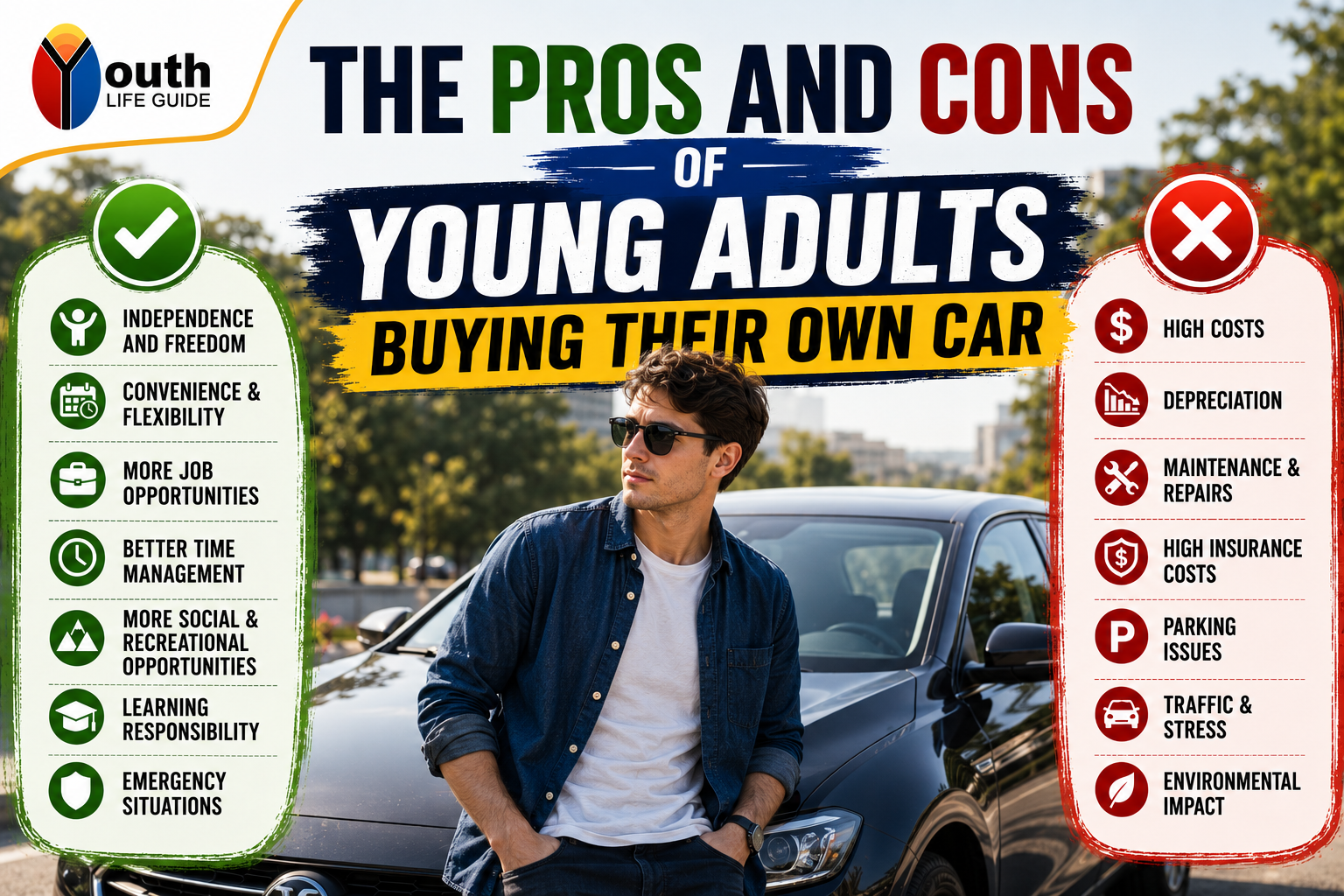

The Pros and Cons of Young Adults Buying Their Own Car
For many young adults, owning a car represents freedom, independence, and convenience. The idea of no longer relying on public transport or parents for rides is enticing. However, buying and maintaining a car is a significant financial commitment that comes with both advantages and disadvantages. Before making this important decision, it’s essential to weigh the pros and cons to determine if car ownership is the right choice for you.
Advantages of Young Adults Buying Their Own Car
1. Independence and Freedom
One of the most significant benefits of owning a car is the sense of independence it provides. You no longer have to depend on parents, friends, or public transportation to get to work, school, or social events. A car allows you to go wherever you want, whenever you want, giving you full control over your schedule.
2. Convenience
Public transport schedules can be unpredictable, and ride-sharing services can become expensive. Owning a car means you can travel on your terms, without waiting for buses, trains, or taxis. This is particularly beneficial for those who live in areas with limited public transport options.
3. Increased Employment Opportunities
Having a car can make it easier to find and keep a job. Many employers prefer workers who have their own transportation, especially if the workplace is located outside of major public transport routes. Additionally, you can consider job opportunities in different areas without worrying about commuting difficulties.
4. Better Time Management
With your own car, you have greater control over your time. Public transportation can be unreliable, and delays can disrupt your schedule. With a car, you can plan your trips more efficiently and arrive at your destination on time.

5. More Social and Recreational Opportunities
Having a car allows you to explore more recreational activities, road trips, and weekend getaways with friends or family. You are no longer limited by transport availability or the willingness of others to drive you.
6. Learning Responsibility
Owning a car requires responsibility in terms of maintenance, fuel costs, and insurance payments. This can be a great learning experience for young adults, teaching them financial management, discipline, and planning skills.
7. Emergency Situations
A car can be a lifesaver in emergencies. Whether you need to rush to the hospital, escape a dangerous situation, or help someone in need, having a car provides security and peace of mind.
Disadvantages of Young Adults Buying Their Own Car
1. High Costs
One of the biggest downsides of owning a car is the cost. Besides the initial purchase price, you must consider expenses such as insurance, fuel, maintenance, repairs, and registration fees. For many young adults, these costs can be overwhelming, especially if they are still in school or working entry-level jobs.
2. Depreciation
Cars lose value over time, meaning that your vehicle will be worth less than what you paid for it within just a few years. This depreciation can make it difficult to resell the car at a good price in the future.
3. Ongoing Maintenance and Repairs
Owning a car requires regular maintenance, such as oil changes, tire replacements, and brake repairs. Unexpected mechanical issues can arise, leading to costly repairs. If you’re not financially prepared, car troubles can become a significant burden.
4. Insurance Costs
Young drivers often face higher insurance premiums due to their lack of driving experience and higher accident risk. This can add a significant financial burden to car ownership.
5. Parking Issues
Finding parking, especially in urban areas, can be a hassle. Parking fees, permit requirements, and limited parking spaces can make owning a car more stressful than convenient.

6. Traffic and Stress
Driving can be stressful, especially in heavy traffic or unfamiliar areas. Dealing with aggressive drivers, long commutes, and road construction can lead to frustration and fatigue.
7. Environmental Impact
Cars contribute to pollution and greenhouse gas emissions. If you’re environmentally conscious, you may struggle with the decision to own a car versus using public transport, biking, or walking.
Factors to Consider Before Buying a Car
If you’re a young adult thinking about purchasing a car, consider the following factors before making a decision:
1. Budget
Calculate all potential costs, including purchase price, insurance, fuel, maintenance, and unexpected repairs. Make sure you can afford these expenses without putting yourself in financial trouble.
2. Purpose
Ask yourself why you need a car. Is it necessary for work, school, or personal convenience? If public transport or carpooling can meet your needs, buying a car may not be essential.
3. New vs. Used
Consider whether you should buy a new or used car. A used car may be more affordable but may come with hidden maintenance costs. A new car offers reliability but is more expensive.
4. Fuel Efficiency
Look for a car with good fuel efficiency to save money on gas. Electric or hybrid vehicles may be an alternative for those concerned about environmental impact and long-term savings.
5. Resale Value
Research which car models hold their value well over time. This will be important if you plan to sell the car in the future.
6. Financing Options
If you need a loan to buy a car, understand the terms of the loan, including interest rates and monthly payments. Be realistic about what you can afford.
7. Insurance Costs
Get insurance quotes before purchasing a car. Some vehicles have higher insurance rates than others, so factor this into your decision.
Conclusion
Owning a car as a young adult has both advantages and disadvantages. While it offers independence, convenience, and more opportunities, it also comes with financial responsibilities and potential stress factors. Before making a decision, carefully assess your personal situation, budget, and long-term needs. If car ownership aligns with your lifestyle and financial situation, it can be a rewarding investment. However, if the costs outweigh the benefits, alternative transportation options may be a better choice for now. Ultimately, the key is to make an informed decision that best suits your circumstances and future goals.