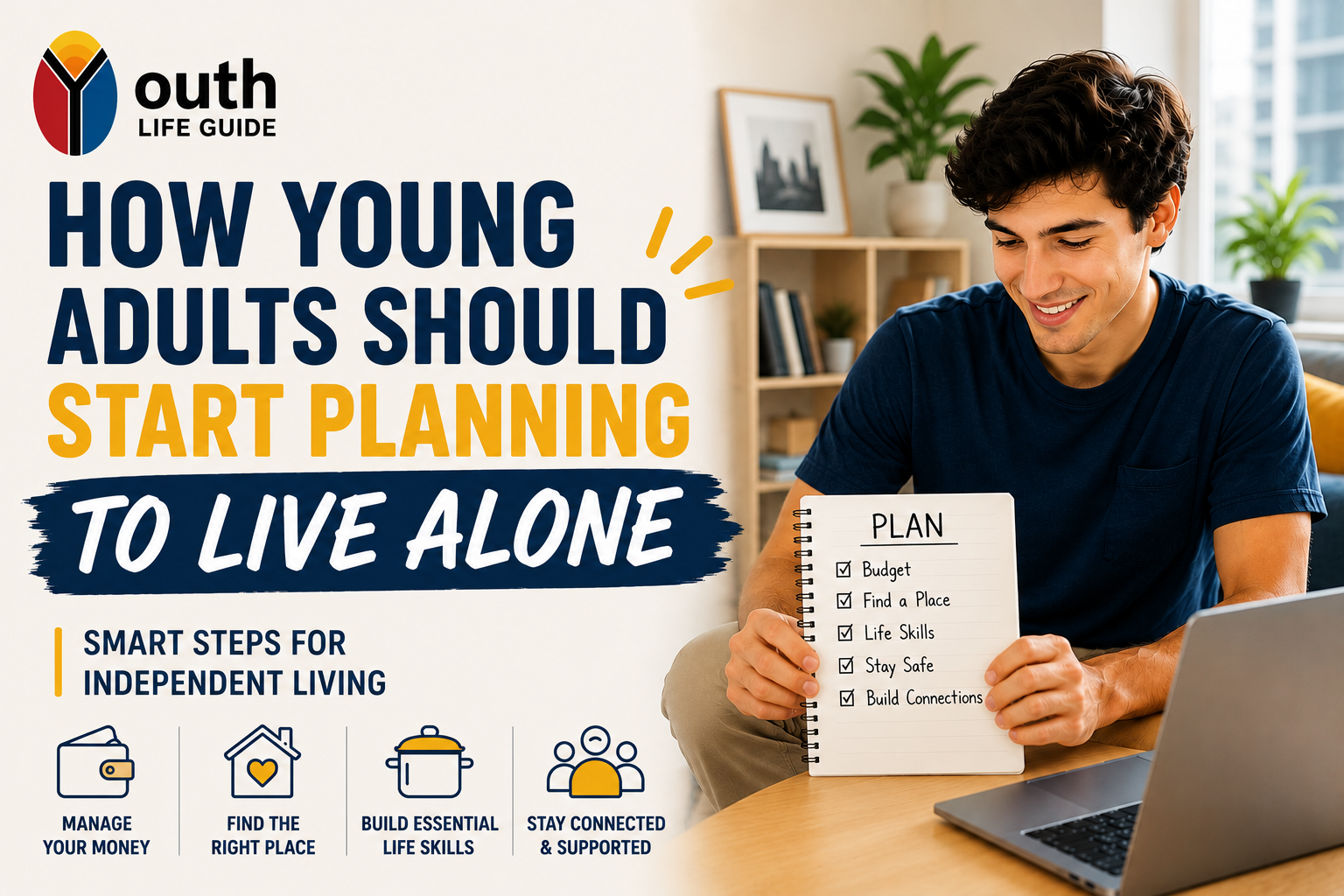

How Young Adults Should Start Planning to Live Alone
Living alone is an exciting milestone in life. It represents independence, responsibility, and personal growth. However, moving out without a solid plan can lead to financial strain, stress, and unexpected challenges. To ensure a smooth transition from living with family to independent living, young adults need to carefully plan each step. Below is a detailed guide to help young adults prepare for this significant life change.
1. Assess Your Readiness
Before making the decision to live alone, it is crucial to assess your readiness. Consider the following factors:
- Financial Stability: Do you have a stable source of income to cover rent, utilities, food, and personal expenses?
- Emotional Preparedness: Are you mentally prepared to handle responsibilities, loneliness, and decision-making independently?
- Daily Life Skills: Do you know how to cook, clean, do laundry, and manage bills effectively?
- Support System: Do you have a reliable support network of friends, family, or mentors who can offer guidance?
If you feel confident in these areas, you are ready to take the next steps toward independent living.
2. Create a Realistic Budget
One of the biggest challenges of living alone is managing finances effectively. Start by creating a budget that includes:
- Rent: Typically, housing costs should not exceed 30-40% of your monthly income.
- Utilities: Electricity, water, internet, and other bills need to be accounted for.
- Groceries: Plan for weekly food expenses, considering home-cooked meals to save money.
- Transportation: Whether you own a car or rely on public transport, budget for commuting costs.
- Health Insurance & Medical Expenses: Factor in health insurance premiums and emergency medical expenses.
- Savings: Allocate a portion of your income for savings, ideally 10-20% per month.
- Leisure & Entertainment: Allow room in your budget for social activities, but avoid overspending.
Use budgeting apps like Mint, YNAB, or spreadsheets to track expenses and ensure you stay financially stable.
3. Find the Right Place to Live
Choosing the right living space is essential for comfort and financial security. Consider:
- Location: Find a place close to work, school, or public transport to reduce commuting costs.
- Affordability: Stay within your budget, and don’t overstretch finances on unnecessary luxuries.
- Safety: Research crime rates in the area and visit at different times of the day to assess safety.
- Amenities: Check if the property includes laundry, parking, internet access, and other necessary features.
- Roommates or Solo Living: Decide whether you want to live alone or with roommates to split expenses.
If renting, carefully read the lease agreement and clarify terms regarding rent, security deposits, and maintenance responsibilities.
4. Furnish Your Home on a Budget
Furnishing a new place can be expensive, but there are budget-friendly options:
- Second-Hand Stores: Look for furniture at thrift shops, garage sales, or online marketplaces.
- Essential First, Luxuries Later: Prioritize a bed, table, chairs, and kitchenware before buying decorative items.
- DIY & Repurpose: Get creative with DIY furniture projects or repurpose old furniture.
- Discounts & Sales: Take advantage of seasonal sales and discounts from home improvement stores.
5. Develop Essential Life Skills
Living alone requires practical skills to maintain a well-functioning home. Key skills include:
- Cooking Simple Meals: Learn to cook basic meals to save money and maintain a healthy diet.
- Cleaning & Organization: Establish a cleaning routine to keep your space tidy and hygienic.
- Laundry & Clothing Care: Understand how to wash, dry, and store clothes properly.
- Basic Home Maintenance: Learn minor repairs like fixing a leaky tap, changing light bulbs, and unclogging drains.
- Time Management: Balance work, social life, and household chores effectively.

6. Understand and Manage Monthly Bills
Once you start living alone, you will be responsible for various bills, including:
- Rent & Utilities: Set up automatic payments to avoid late fees.
- Internet & Streaming Services: Choose plans that fit your budget.
- Grocery Shopping: Plan meals ahead to avoid impulse spending and food waste.
- Credit Card & Loan Payments: Make timely payments to maintain a good credit score.
Use apps like Splitwise to track shared expenses if living with roommates.
7. Stay Safe and Secure
Safety is a top priority when living alone. To stay secure:
- Know Your Neighbors: Establish a friendly relationship for mutual assistance in emergencies.
- Lock Doors & Windows: Always keep your doors and windows locked when not at home.
- Install a Security System: Consider cameras or smart locks for added security.
- Emergency Contacts: Keep a list of important contacts like family, landlord, and emergency services.
8. Build a Support Network
Living alone can sometimes feel lonely. Stay connected with:
- Friends & Family: Schedule regular visits or video calls.
- Community Events: Join local clubs, gyms, or social groups to meet new people.
- Neighbors & Colleagues: Build relationships with people in your area for social and practical support.
9. Plan for Emergencies
- Having an Emergency Fund: Aim to save at least 3-6 months’ worth of expenses.
- Learning First Aid: Take a basic first-aid course to handle minor injuries.
- Knowing Emergency Exits: Familiarize yourself with fire exits and emergency routes in your building.
- Keeping Essential Supplies: Stock up on essentials like flashlights, batteries, and medical kits.

10. Maintain a Healthy Lifestyle
Living alone comes with the responsibility of maintaining physical and mental well-being:
- Eat Nutritious Meals: Avoid relying on fast food; cook balanced meals at home.
- Exercise Regularly: Incorporate daily workouts, whether at the gym, walking, or home exercises.
- Manage Stress: Practice mindfulness, meditation, or hobbies to maintain mental health.
- Get Enough Sleep: Establish a regular sleep schedule to stay productive and healthy.
11. Set Goals and Continue Learning
Living alone is a learning experience that promotes personal growth. Set goals like:
- Financial Goals: Save for future investments, travel, or education.
- Career Development: Focus on career growth and skill-building.
- Personal Growth: Learn new hobbies, take online courses, or explore new interests.
Final Thoughts
Moving out and living alone is a significant step toward adulthood. While the journey may seem overwhelming at first, careful planning and preparation make it a rewarding experience. By budgeting wisely, developing essential skills, staying connected with a support system, and maintaining a healthy lifestyle, young adults can enjoy the freedom and independence that comes with having their own place. Embrace this exciting chapter with confidence and responsibility, and you’ll soon discover the joys of independent living!